
BFM 89.9
The Business Station
BFM 89.9
The Business Station

What Can We Learn From Indonesia’s Development Policies?

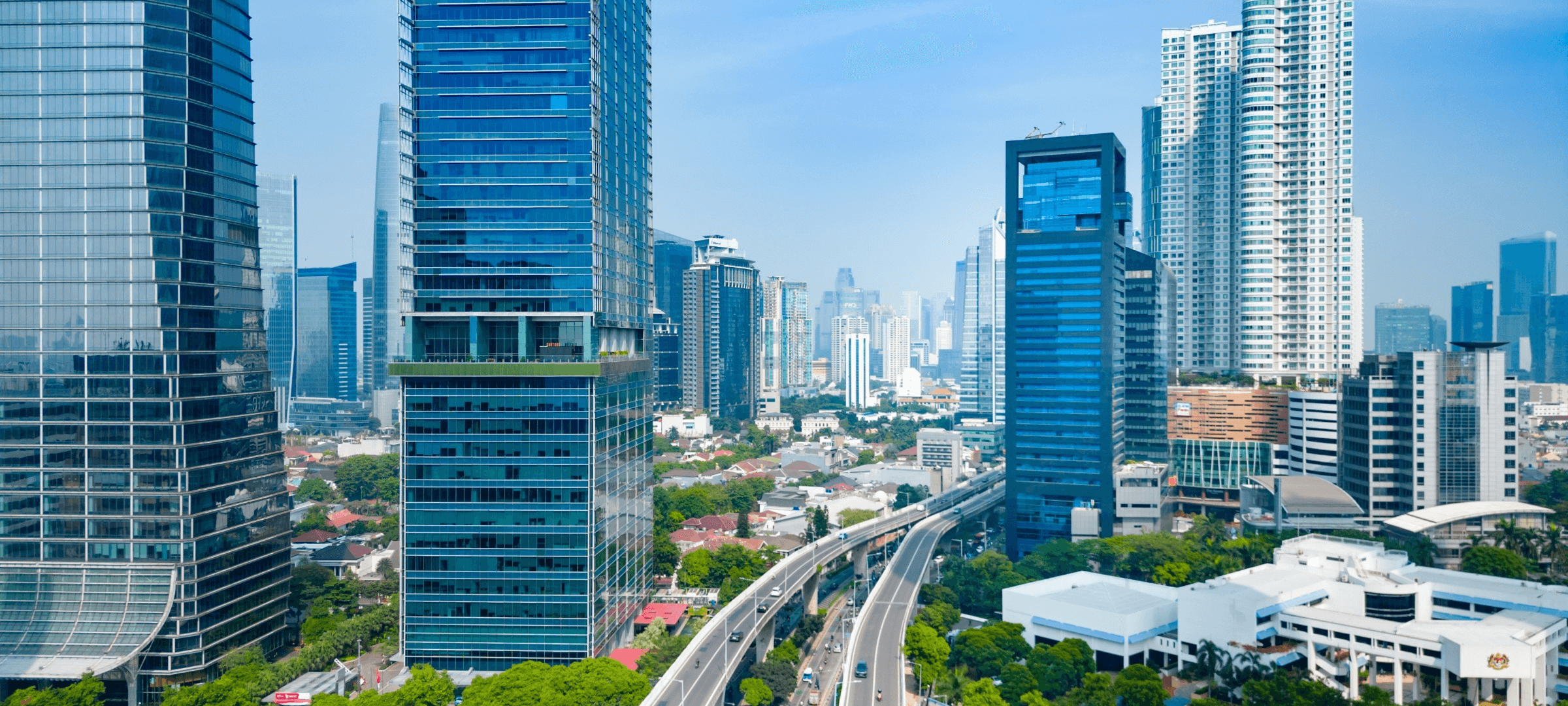
What Can We Learn From Indonesia’s Development Policies?

Recommended
40 mins
26 mins
Guest: Faris Abdurrachman, Executive Director and Lead Economist
For decades, many developing countries have relied on exporting raw materials to drive economic growth. But when countries export commodities without developing the industries to process them, how much of the wealth actually stays in their economies?
Indonesia is attempting to change this through hilirisasi, or downstream industrialisation: a strategy to move beyond exporting raw materials towards domestic processing and manufacturing.
In this episode, we speak to Faris Abdurrachman, Executive Director and Lead Economist at Industrial Policy Lab Indonesia, about Indonesia's development strategy.
In this conversation, we discuss:
Why is it so difficult for developing countries to move up the value chain?
Many countries in the Global South remain heavily reliant on exporting commodities and raw materials. We explore the barriers to developing more sophisticated industries, including access to technology, financing and foreign expertise, and why moving into higher-value production matters.
What is Indonesia's downstream industrialisation strategy, and has it worked?
Indonesia's hilirisasi strategy aims to capture more value from its natural resources by processing them domestically rather than exporting them in their raw form. We examine the country's nickel export ban, the investments that followed, and the expansion of its nickel-processing industry.
Who benefits from industrialisation and who pays the price?
Indonesia's nickel boom has brought substantial investment and manufacturing capacity, but it has also contributed to deforestation, pollution and disruption to communities previously dependent on agriculture and fishing.
How do we ensure industrial policy creates broad-based prosperity?
Attracting investment is only part of the equation. We explore how governments can use tax incentives and other forms of public support to secure wider public benefits, from better jobs and stronger environmental protections to reforestation requirements.
Should developing countries rely on foreign investment or build their own industries?
We discuss the importance of building domestic firms, developing local skills and strengthening productive capacity, drawing lessons from Indonesia's nickel industry and South Korea's experience with industrial development.
Can ASEAN countries industrialise together?
We explore the possibility of regional industrial champions and what deeper cooperation could look like in a world increasingly shaped by industrial competition between major powers.
Can development become a more powerful political vision for Southeast Asia?
Economic development is not just a matter of policy; it is also about the ideas and aspirations that shape politics. Have Malaysia and its regional neighbours lost sight of a developmental vision centred on infrastructure, industrial capacity and shared prosperity, and how the region might move beyond political debates dominated by race, religion and identity?
Image Credit: Shutterstock
Presenter: Dashran Yohan
Producer: Dashran Yohan
Share:

Recommended
Recent episodes
0
Latest stories


