

Is unhappiness the price of productivity and achievement?

Is unhappiness the price of productivity and achievement?

Recommended
37 mins
29 mins
45 mins
Guest: Jeremy Lim, Editor, Jentayu
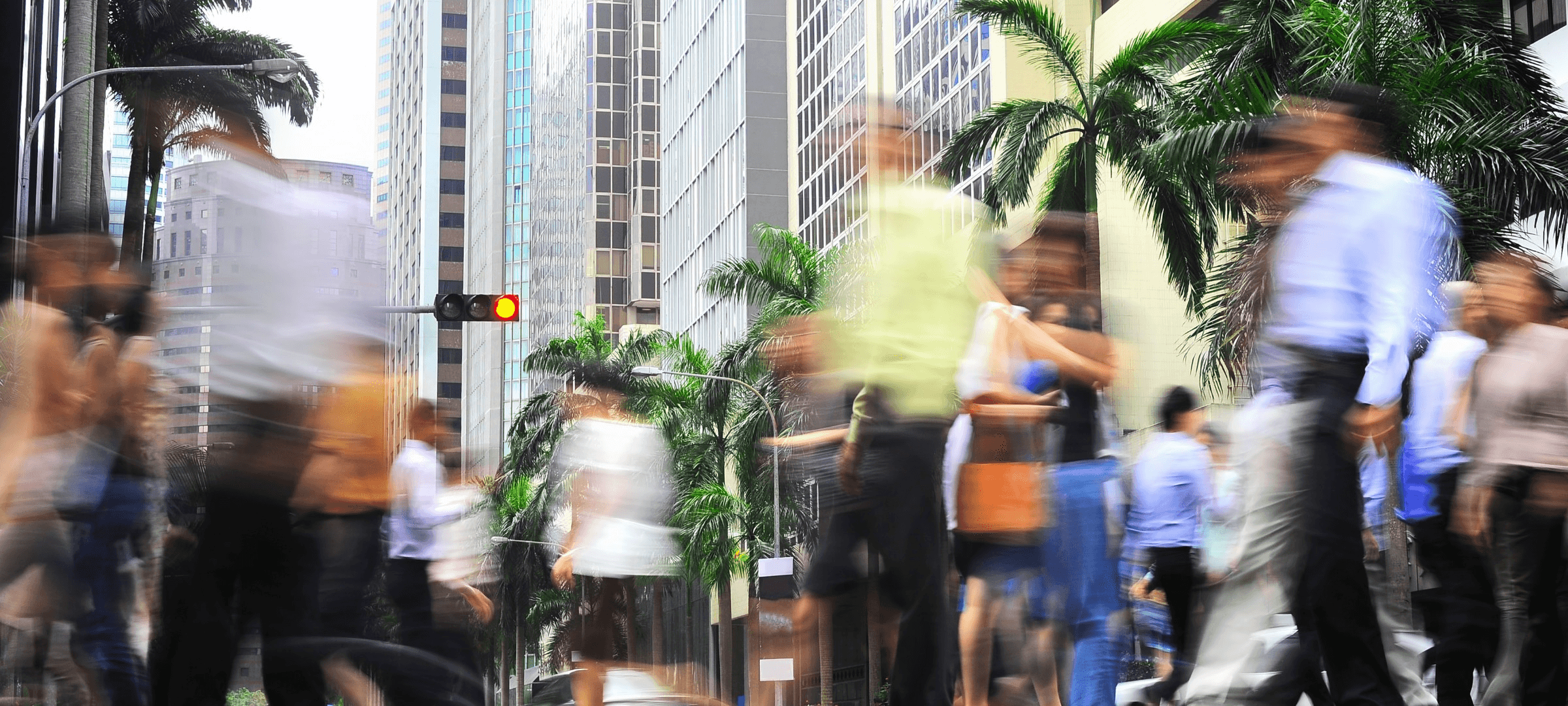
Singapore is among the wealthiest countries in the world, yet it ranks relatively low in happiness compared to other wealthy nations. This raises a bigger question: does economic progress come at the expense of human well-being? And is unhappiness sometimes the price we pay for productivity and achievement?
In this roundtable, we explore the relationship between economic development and happiness, from the pressures of capitalist modernity and the pursuit of wealth to the role of inequality, redistribution and democratic participation in shaping our quality of life.
In this conversation, we discuss:
Does economic development have to come before happiness?
Why access to basic necessities such as healthcare, housing, education and infrastructure provides an important foundation for human well-being. We examine whether countries need to achieve a certain level of wealth before they can prioritise happiness and quality of life.
Why are some wealthy countries happier than others?
From Singapore and other East Asian economies to the Scandinavian countries, we explore how different paths to economic development have shaped people's well-being. Does the difference lie in how wealth is distributed, the strength of labour movements, work-life balance and democratic participation?
Is unhappiness the price of productivity and achievement?
We unpack the argument that hard work, sacrifice and even unhappiness can be necessary for national progress. But is this historically specific to countries that pursued rapid industrialisation? And can economic growth be achieved without placing such heavy demands on workers?
Does reducing inequality make societies happier?
Once countries reach a certain level of prosperity, does the distribution of wealth matter more than the accumulation of it? We discuss how inequality, social comparison and the perceived fairness of a society shape people's happiness, and whether redistribution can improve overall well-being.
Can economic prosperity come at the expense of human freedom?
From Singapore's development-first approach to the post-war social democratic experience in Europe, we examine the trade-offs between economic growth, political freedoms and quality of life. Who gets to decide when a country has developed enough to prioritise the well-being of its people?
Is happiness about material wealth, or something more?
Beyond income and consumption, we explore the importance of community, social relationships, a sense of purpose and the freedom to pursue meaningful activities. Can a society be materially prosperous yet leave its people feeling isolated, anxious and dissatisfied?
Reading/watching/listening list:
The Spirit Level: Why Equality Is Better for Everyone by Richard Wilkinson and Kate Pickett [Book]
The Inner Level by Richard Wilkinson and Kate Pickett [Book]
Civilization and Its Discontents by Sigmund Freud [Book]
The Century of the Self by Adam Curtis [Documentary]
The Dawn of Everything by David Graeber and David Wengrow [Book]
Image Credit: Shutterstock
Presenter: Dashran Yohan, Sharaad Kuttan
Producer: Dashran Yohan
Share:

Recommended


Recent episodes
0
Latest stories


BFM 89.9
The Business Station